The Ultimate Guide to Residential Gutter Installation: Materials, Process & Lifespan
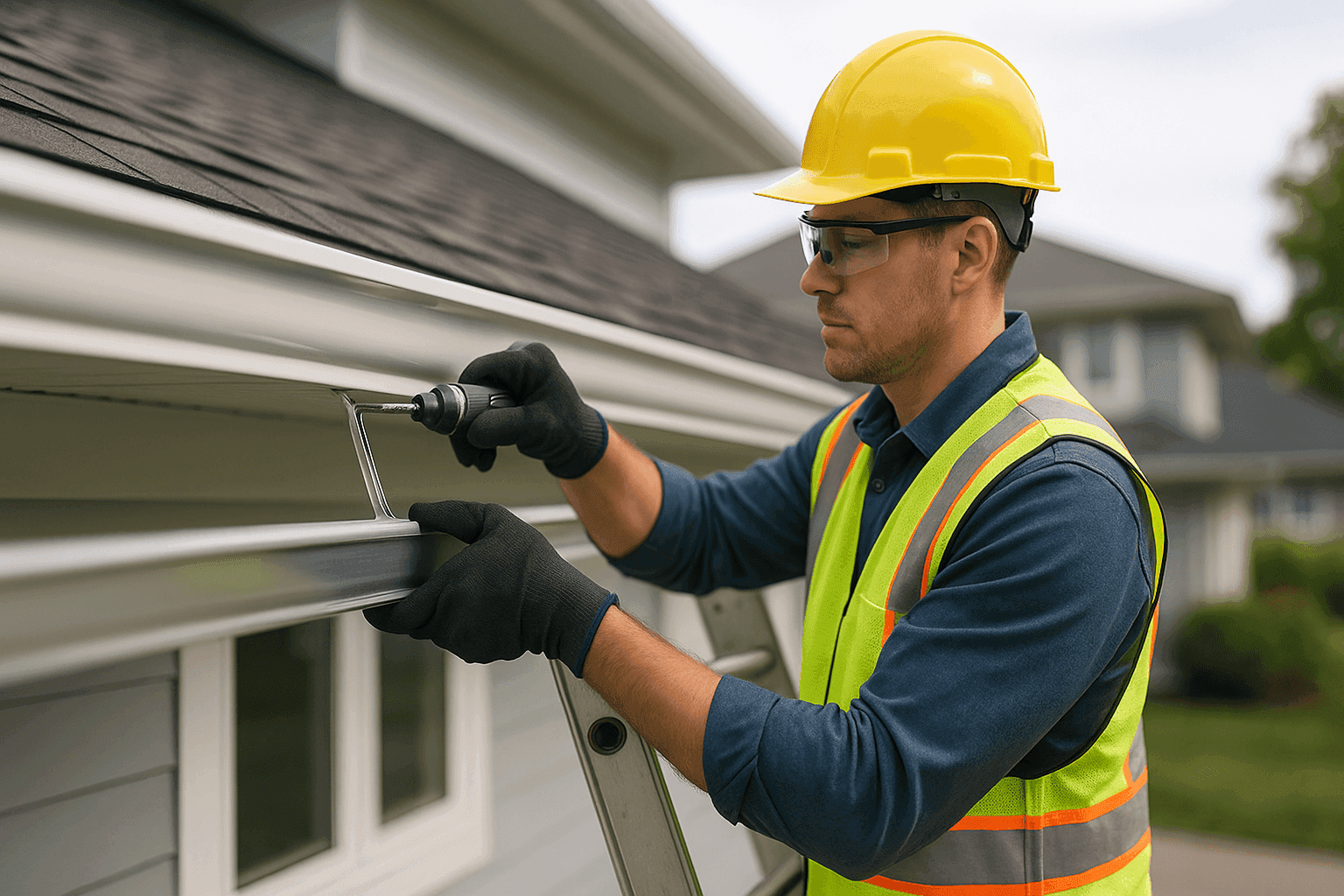
When rain pours, your home’s first line of defense sits at the roof’s edge. Gutters. Ignore them, and water damage can sneak up like a slow leak under your kitchen sink. At Ken’s Custom Gutters, we’ve seen the aftermath—rotted fascia boards, flooded basements, cracked foundations.
If you’re wondering how to protect your investment, where to start with gutter installation, or which types last the longest, you’re in the right place. This guide simplifies everything. No jargon, just real advice for homeowners.
Why Gutters Matter 🌧️
Think of gutters as the silent shield your house wears every time it rains. They catch runoff, steer it away from the foundation, and keep your siding, landscaping, and basement dry. When gutters clog, sag, or leak—even just a little—water finds a way. Over time, that trickle can cost thousands in repairs.
- Prevent structural damage: Direct water away from the foundation.
- Protect landscaping: Stop soil erosion and flooding near flower beds.
- Preserve siding and paint: Reduce staining, peeling, and rot.
- Avoid basement leaks: No one wants a soggy carpet or moldy smell.
It’s not just about buying gutters. It’s about installing the right system, the right way, for your home.
Choosing the Right Material (Vinyl, Aluminum, Steel, Copper)
Gutters aren’t one-size-fits-all. The best option depends on your budget, climate, and how much maintenance you’re up for. Here’s how the main materials compare:
Vinyl Gutters
- Pros: Affordable, lightweight, rustproof, easy to install. Great for DIYers and those searching for "Vinyl Gutters near you."
- Cons: Can crack in extreme cold or warp in harsh sun. Limited lifespan (10–20 years).
- Best for: Mild climates, budget-friendly installations.
Aluminum Gutters
- Pros: Lightweight, rust-resistant, highly customizable. Handles most weather. Can be painted any color.
- Cons: Can dent from ladders or hail. Moderate lifespan (20–30 years).
- Best for: Most residential homes, especially with custom color needs.
Steel Gutters
- Pros: Super strong. Handles heavy snow and ice. Good for tough climates.
- Cons: Needs regular painting to avoid rust. Heavier than aluminum or vinyl. Moderate-to-high cost.
- Best for: Areas with harsh winters, hail, or tree branches.
Copper Gutters
- Pros: Eye-catching, never rusts, lasts 50+ years. Adds value and character.
- Cons: Expensive. Develops a green patina over time. Requires professional installation.
- Best for: Historic homes, upscale properties, or homeowners wanting a unique look.
Pro Tip: Match your gutter material to your roof type and climate. For example, steel gutters pair well with metal roofs in snow-prone areas, while vinyl is fine for mild, dry regions.
Seamless vs. Sectional Gutters
You’ll hear these terms a lot. Here’s the difference:
- Seamless Gutters: Made from a single piece, cut to your home’s exact measurements on-site. Fewer seams means fewer leaks, less maintenance, and a cleaner look.
- Sectional Gutters: Joined together in pieces, available at most home stores. Easier for DIY, but more joints mean higher risk of leaks and clogs.
Seamless gutters are the gold standard for new installations. They’re custom-fit, more durable, and look better from the curb. Sectional gutters can work if you’re on a budget or have a small repair, but expect more upkeep.
Step-by-Step Installation Process
Installing gutters isn’t just about nailing up some channels. It’s a craft. Here’s what goes into a professional gutter installation:
- Assessment: Inspect the roof edge for rot, damage, or improper slope. Fascia and soffit repairs are done first—never install new gutters over damaged wood.
- Measurement: Precise measurements are critical. Even a half-inch off can cause poor drainage.
- Choosing Profiles: K-style (flat bottom, decorative front) is most common. Half-round gutters suit historic or high-end homes.
- Material Prep: Gutters are cut to size. Downspout locations are marked for optimal drainage.
- Slope Setting: Gutters need a gentle slope (about 1/4 inch every 10 feet) toward downspouts. Too flat, water pools. Too steep, it rushes past the downspout.
- Mounting: Heavy-duty hangers or brackets are spaced every 2–3 feet for secure support. Gutter guards or leaf screens can be added now.
- Downspout Installation: Placed at corners or low points, downspouts should divert water at least 3–5 feet from the foundation.
- Sealing: Joints and end caps are sealed with gutter-specific caulk to prevent leaks.
- Inspection: Test by running water through the system. Adjust slope or add extensions if needed.
Pro Tip: Before installation, walk the perimeter and check for sagging fascia, damaged soffits, or signs of water stains. Repair these first for a solid, long-lasting result.
How Long Do Gutters Last?
Gutter lifespan depends on material, installation quality, and maintenance:
- Vinyl gutters: 10–20 years (shorter in harsh climates)
- Aluminum gutters: 20–30 years
- Steel gutters: 20–30 years (longer with regular painting)
- Copper gutters: 50+ years
Improper installation is the silent enemy. Gutters hung too low, not sloped right, or attached to rotten fascia will fail early—sometimes within a season. Water can sneak behind improperly flashed gutters, rotting wood and seeping into walls. The best installers ensure code compliance (check your local building codes, and refer to the International Residential Code for gutter standards) and use corrosion-resistant fasteners.
Pro Tip: Ask your installer about gutter flashing. It’s a thin sheet of metal that tucks under the shingles, guiding water into the gutter. Missing flashing is a leading cause of hidden leaks.
Pro Tips: Assessing Roof Edges, Gutter Profiles, and When to Call a Pro
- Roof Edge Check: Look for peeling paint, soft spots, or mold—signs of water getting behind old gutters.
- Choosing Profiles: K-style gutters fit most modern homes. Half-round profiles look great on bungalows or cottages.
- DIY vs. Pro: Simple cleaning or minor repairs? Safe for handy homeowners with a sturdy ladder. Complete replacement, multi-story homes, or custom materials? Call a pro. Working at heights is risky and requires the right safety gear.
Safety Reminders & Code Compliance
- Always use a stable, well-footed ladder.
- Wear gloves—sharp edges and screws can cut.
- Don’t overreach; move the ladder as you work.
- Never install gutters over rotted fascia or soffit.
- Confirm that all work meets local building codes (International Residential Code is a good reference).
- Use corrosion-proof fasteners and brackets.
What Pros Do On Arrival
Reputable gutter installers, like Ken’s Custom Gutters, will:
- Inspect the entire roof edge and document issues.
- Measure carefully and discuss material options.
- Recommend gutter sizes based on roof area and rainfall data.
- Offer solutions for problem areas (e.g., water pooling, ice dams).
- Provide a clear, written project outline.
- Clean up thoroughly after installation.
Prevention & Maintenance
- Clean gutters twice a year—spring and fall are best.
- Check hangers and brackets for signs of loosening.
- Inspect for rust, leaks, or standing water.
- Install gutter guards to reduce debris buildup.
- Trim overhanging branches.
- After storms, look for dents, clogging, or displaced downspouts.
Pro Tip: Even if you have gutter guards, check for fine debris and animal nests at least once a year.
Costs & Time Factors
Gutter pricing varies with material, length, number of downspouts, and whether fascia or soffit repairs are needed. Here’s what to expect:
- Vinyl: Least expensive, quickest to install.
- Aluminum: Moderate cost, most popular.
- Steel or Copper: Higher cost, longer installation time due to weight and custom work.
- Time: Most homes are done in 1–2 days, but major repairs or complex roofs can take longer.
When It’s an Emergency
- Overflowing gutters in heavy rain
- Water pouring over the roof edge
- Detached or sagging sections
- Severe leaks, especially near entryways or basement windows
Don’t wait. Emergency gutter services can prevent thousands in water or foundation repairs.
FAQ
Q: How do I know if my gutters need replacing?
A: Look for sagging, rust, peeling paint, frequent clogs, or leaks at joints. If repairs are frequent or sections are pulling away from the house, it’s time to replace.
Q: Can I install gutters myself?
A: Small repairs or vinyl gutter installation on single-story homes are possible for skilled DIYers. For anything involving heights, heavy materials, or complex slopes, call a pro.
Q: What is gutter flashing and why is it important?
A: Gutter flashing is a metal strip that guides water from the roof into the gutter, preventing leaks behind the gutter and protecting your fascia.
Q: What’s the best way to prevent clogged gutters?
A: Regular cleaning and installing gutter guards are the best defenses. Trim nearby trees to reduce debris.
Local & Seasonal Considerations
- In regions with heavy snow or ice, steel or aluminum gutters hold up best.
- For homes in hot, sunny climates, UV-resistant vinyl or painted aluminum prevents warping.
- Leafy neighborhoods benefit from gutter guards.
- In areas with heavy rainfall, larger downspouts and additional extensions can help.
Ready to Upgrade Your Gutters?
Don’t let water damage wash away your peace of mind. Whether you need seamless aluminum gutters, vinyl gutters near you, or a custom solution, Ken’s Custom Gutters is here to help—safely, professionally, and with your home’s long-term value in mind.
Call Ken's Custom Gutters now — or reach us anytime at 844-779-8448 .